
Wild Turkeys

A few weeks ago, while birding in Sterling Forest, I stumbled upon a magnificent sight. Several male turkeys were in full display mode on their strutting ground, a gravel parking lot. I was able to watch them for about ten minutes and take some amazing photos and video for you to enjoy. Since I didn’t fully understand the dynamics of what I was observing, I looked up more information, which I will share below. I hope you enjoy this epic encounter!
Note: Do NOT miss the video near the end of the post, and make sure the audio is on!
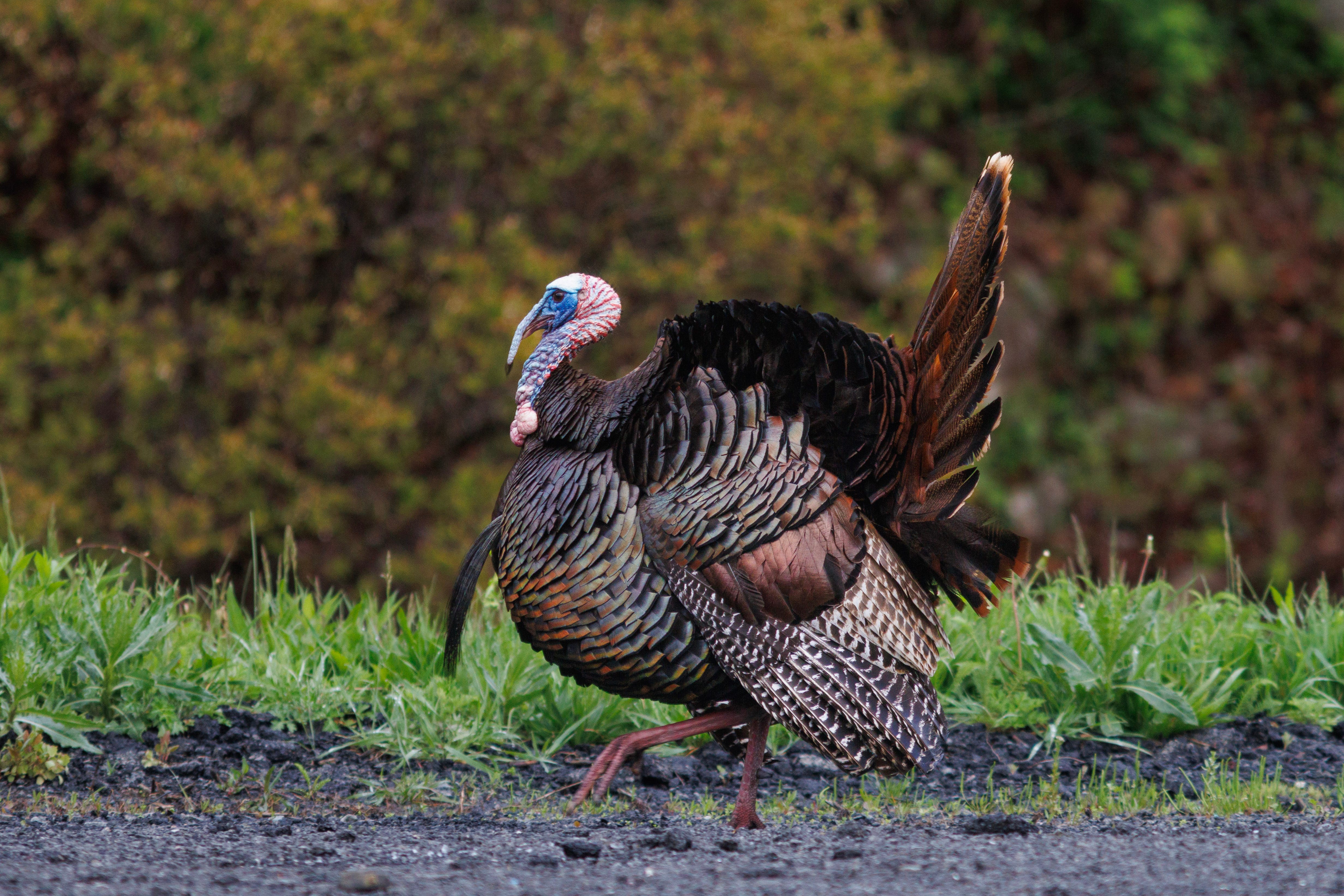
Male turkeys use elaborate physical and vocal displays to attract females during the spring breeding season. While dominant males lead these displays, subordinate males often assist them in a unique evolutionary partnership.
The Strutting Process
The courtship display, called “strutting,” involves a precise sequence of physical changes and behaviors:
Feather Fanning: The tom raises its body feathers and spreads its tail into a large, semi-circular fan.
Wing Dropping: The turkey drops its wings low, dragging the primary feathers against the ground to create a scraping sound.
Color Transformation: Increased blood flow changes the bare skin on the head and neck to bright shades of red, white, and blue.
Caruncle Swelling: The fleshy growths on the neck (caruncles) and the forehead appendages (snoods) engorge and elongate.
Vocalizations: The tom emits loud, sharp gobbles to attract hens from a distance, followed by low-frequency “spits and drums” at close range.
Dominant Tom and Supporting Jake Dynamics
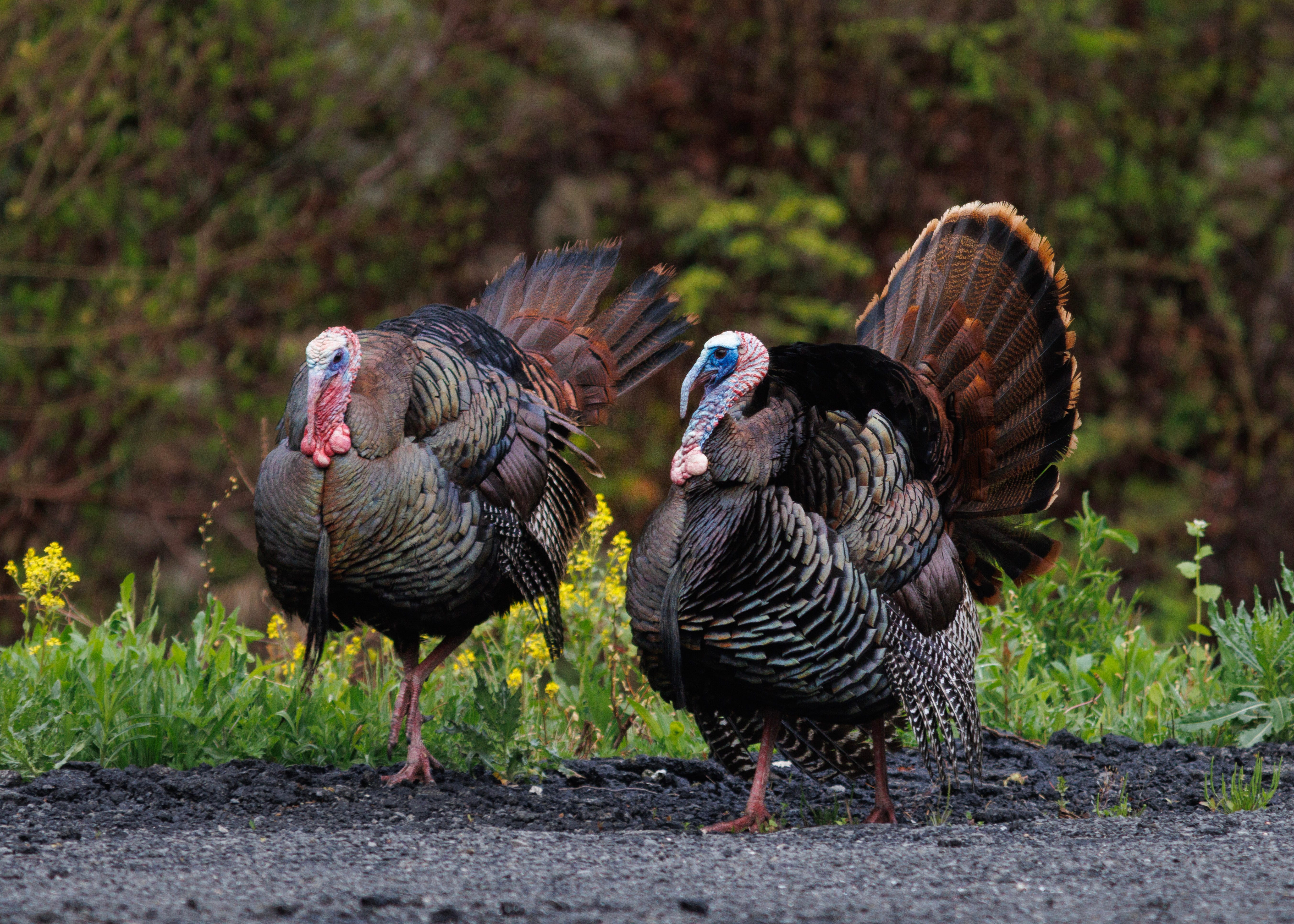
Male turkey hierarchies consist of dominant mature males (toms) and subordinate younger males (jakes) or lower-ranking toms. Their relationship relies on a system known as cooperative courtship.
Team Displaying: Closely related males (often brothers or half-brothers) form coalitions to strut and gobble together in front of hens.
The Alpha Advantage: Only the dominant tom in the coalition actually mates with the females attracted by the group effort.
Subordinate Roles: The supporting jakes or lower-ranking toms act as wingmen, making the display look larger and more intimidating to rival groups.
Genetic Payoff: Supporting males help the dominant tom because they share similar genetics, ensuring their family bloodline passes on.
Future Dominance: Serving in a coalition allows younger jakes to gain display experience and protection before attempting to claim dominance in future seasons.
How Hens Choose a Specific Tom
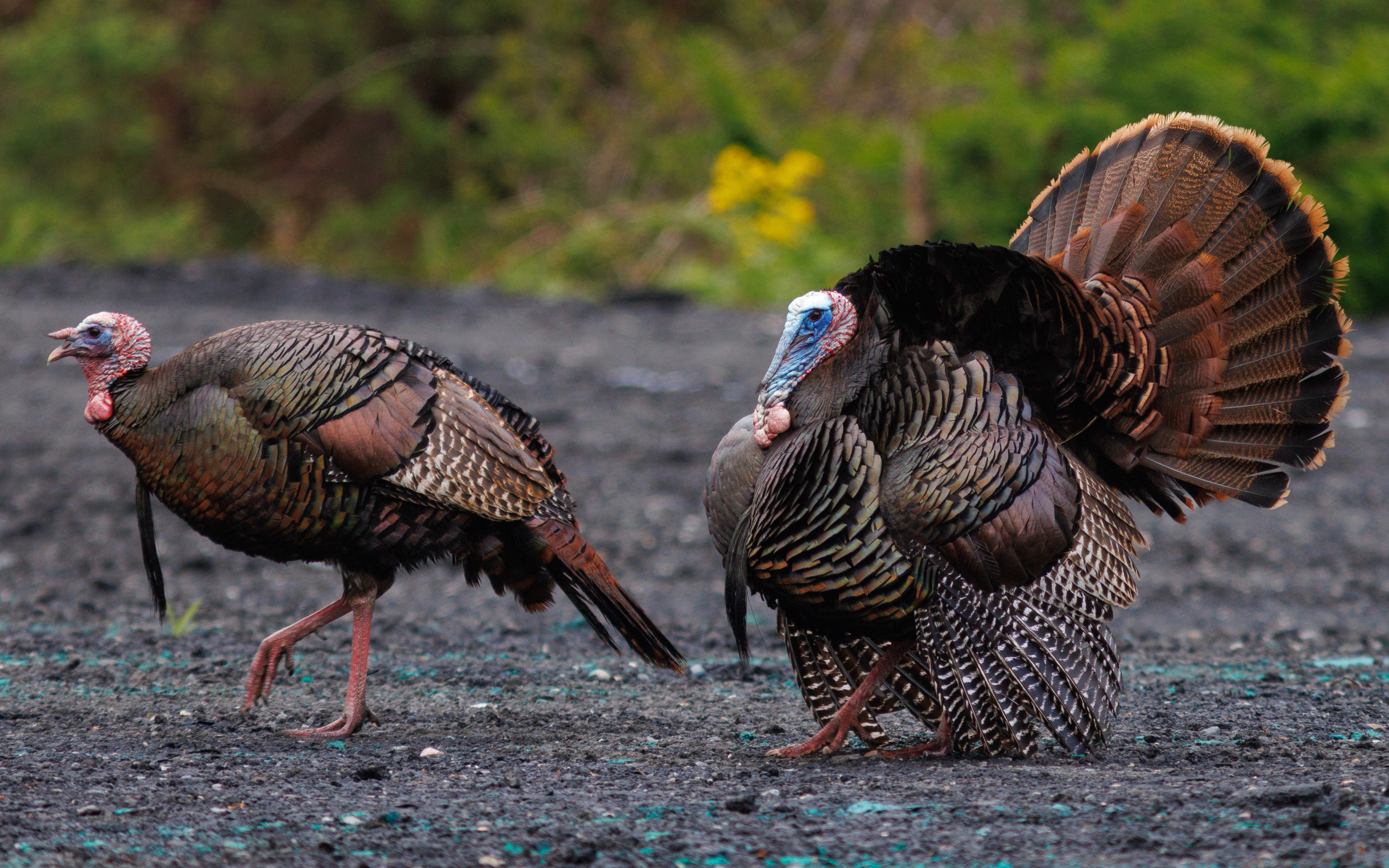
Female turkeys (hens) are highly selective and evaluate males based on specific physical traits and display performance that signal good health and genetic quality.
Color Intensity: Hens prefer toms with the brightest, most vivid red, white, and blue colors on their heads and necks, which indicates a robust immune system and freedom from parasites.
Snood Length: The fleshy appendage above the beak (snood) is a major selling point; hens strongly favor males with longer, more engorged snoods, which correlate with high testosterone and parasite resistance.
Symmetry and Size: A perfectly symmetrical tail fan and a large, full body structure signal physical dominance and optimal development.
Vocal Frequency: Hens listen closely to the frequency and stamina of a tom’s gobbling, as persistent vocalizing proves the male has high energy reserves.
The Power of the Crowd: Hens are drawn to larger coalitions of displaying males, though they will ultimately ignore the wingmen and select only the alpha male of that group.
Establishing Territories and Strutting Grounds
Wild turkeys do not defend strict, exclusive territories like some songbirds, but they do establish specific home ranges and communal display areas called strutting grounds or leks.
Topography Selection: Toms choose open areas with high visibility—such as pasture edges, forest clearings, or agricultural fields—so hens can see their displays from far away.
Pre-Season Battling: In late winter, flocks of males engage in intense physical battles, using fighting purrs, wing-striking, and leg spurs to establish a strict regional hierarchy before the hens arrive.
Roost Proximity: Strutting grounds are almost always located close to secure nighttime roosting trees, allowing toms to fly down and immediately begin displaying at dawn.
Traditional Use: If a specific clearing yields high mating success, dominant toms will return to the exact same strutting ground year after year.
Female Movement Mapping: Toms dynamically adjust their daily strutting locations based on where acorn crops, insects, and vegetation are drawing the female nesting flocks.
Absolutely intriguing and stunning! So much that we never knew before.
really cool!